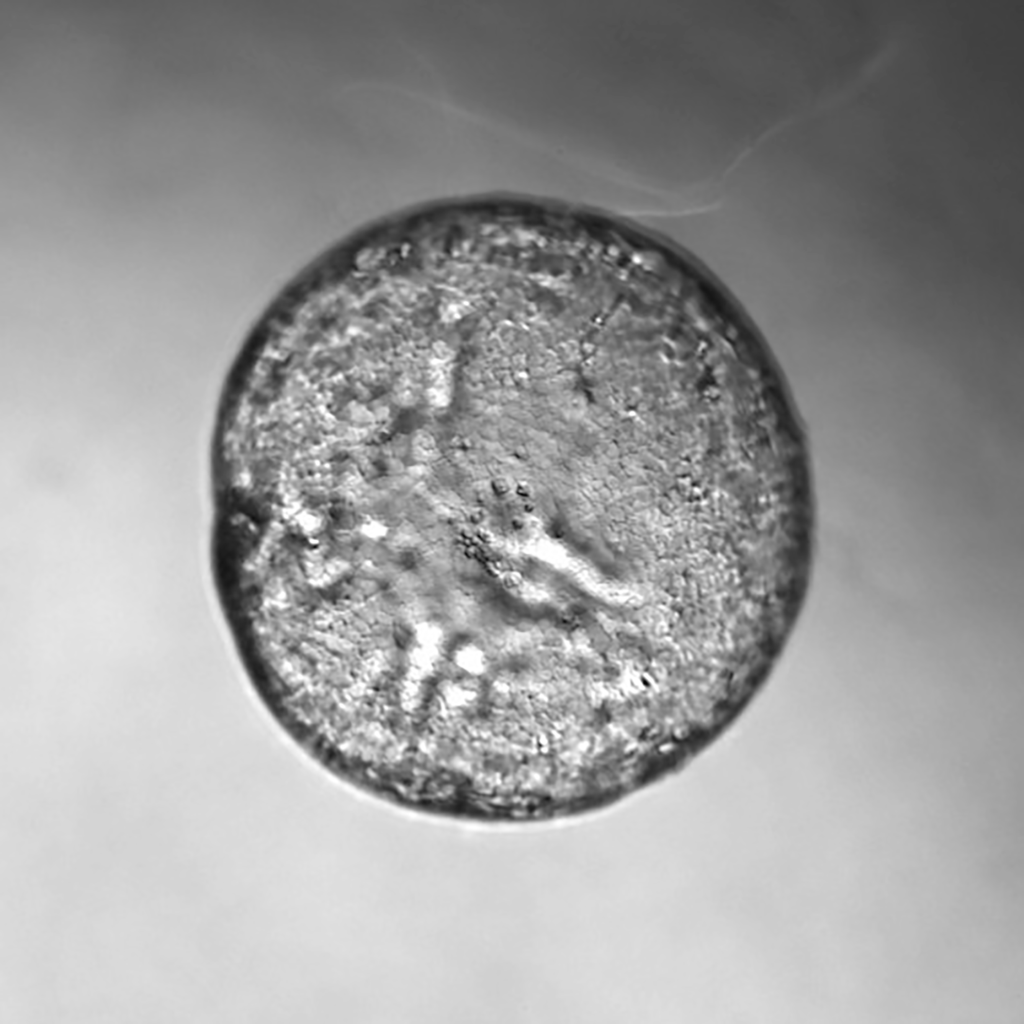
SPHERO ONE 3D CELL MODEL PLATFORM
Gentle, image-based sorting and isolation of 3D cellular models for smarter drug discovery.
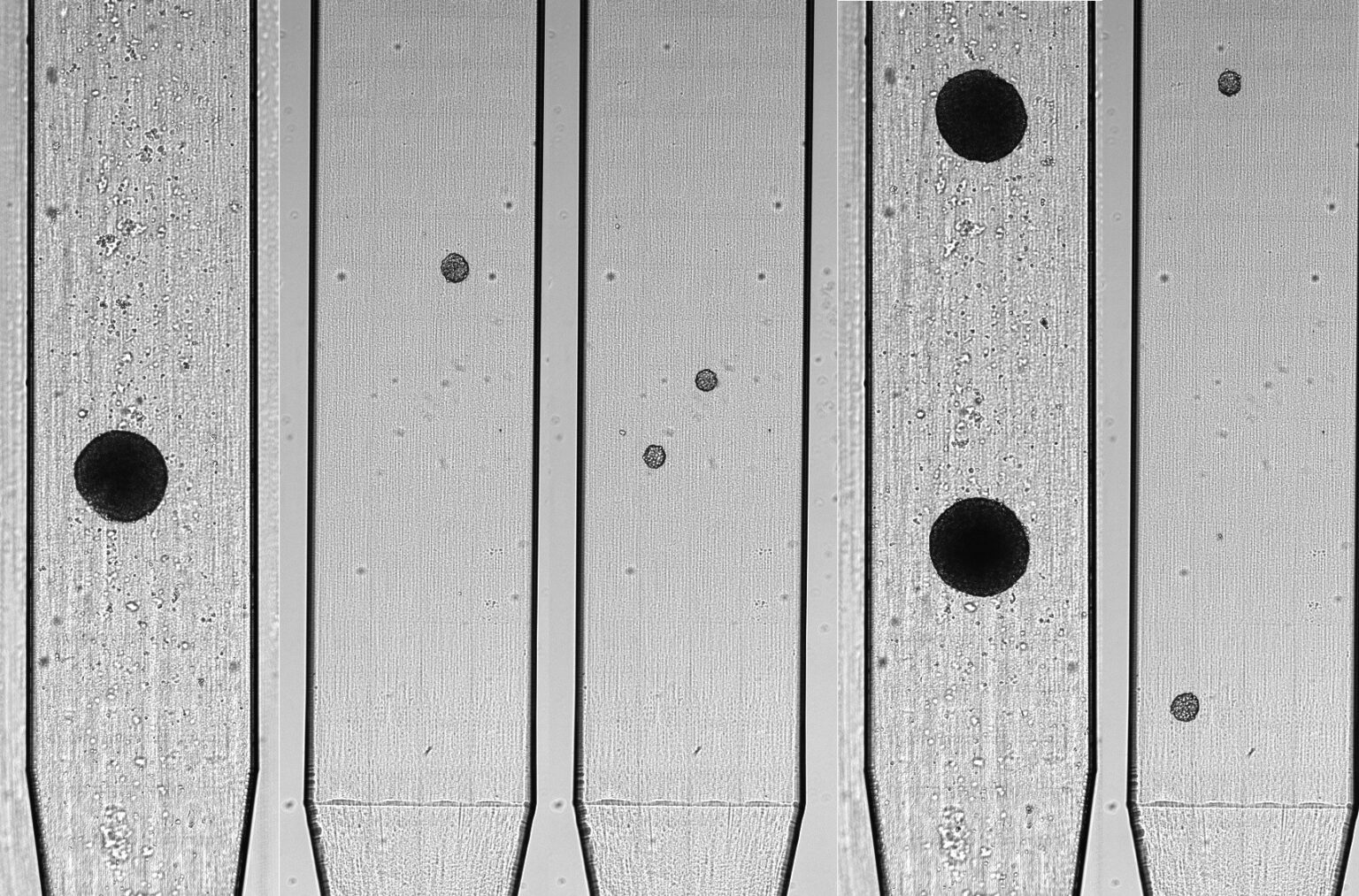

Image-based 3D model sorting

Gentle isolation and dispensing

Selection by size, morphology, fluorescence

Controlled number of models per well

90% single 3D model accuracy

Automated and flexible
About spheroONE
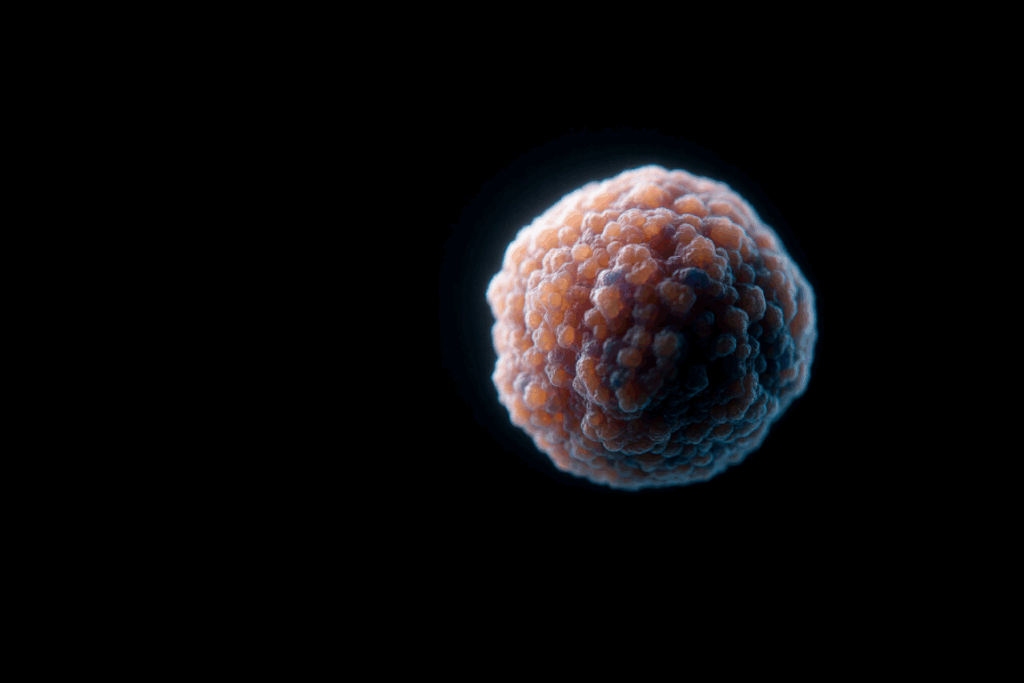
The spheroONE platform combines image-based sorting with gentle dispensing to standardise 3D cellular model workflows. It selects spheroids, organoids, and tumoroids by size, morphology, or fluorescence, and dispenses them with controlled accuracy into assay-ready plates. The result is homogeneous, reproducible starting conditions for every experiment.
Supported by brightfield and fluorescence imaging, on-deck temperature control (4 to 65 degrees C), and precision positioning, spheroONE adapts to a wide range of 3D model types and downstream readouts, from drug response assays to single-organoid omics.
spheroONE is currently available as a custom solution, configured to fit your specific workflow and application needs.
Discuss your configuration:
applications

STANDARDIZATION OF 3D MODELS FOR DRUG TESTING
Variability in size and morphology is a major source of noise in preclinical drug testing assays.
spheroONE selects 3D models by size, morphology, or viability before dispensing, delivering homogeneous populations as a baseline for reproducible assays. With 90% single-oid accuracy and a 384-well plate filled in approximately 30 minutes, it reduces false results and de-risks critical decisions in drug development pipelines.

LINKING PHENOTYPE TO MECHANISM IN DRUG RESPONSE
Sorting spheroids and organoids after drug treatment reveals which populations are resistant or sensitive, connecting phenotype to molecular mechanism.
spheroONE sorts 3D models based on their phenotypic response to treatment, using brightfield or fluorescence readouts. This enables direct isolation of resistant versus sensitive subpopulations for downstream molecular analysis, supporting a clearer understanding of mechanism of action.

Single-oid omics for deeper biological insights
Isolating individual spheroids or organoids opens access to genomics, transcriptomics, proteomics, and metabolomics at the single-model level.
spheroONE dispenses single organoids directly into lysis buffer in 384-well plates, enabling downstream LC-MS analysis. In a proteomics study of mouse pancreatic ductal organoids, this workflow identified between 1,357 and 1,915 proteins per single organoid, with 80% overlap with primary pancreatic tissue.

PRECISION POSITIONING FOR HIGH CONTENT IMAGING
Reproducible high-content imaging of 3D models requires consistent, accurate placement into defined well positions.
spheroONE’s precision positioning deposits 3D models at defined locations within wells or onto specific substrates, enabling standardised imaging setups, co-culture configurations, and quantitative readouts across experiments and sites.
REPRODUCIBILITY IN ACTION
Uniform starting conditions make drug response visible. Here, each spheroid was isolated and dispensed by spheroONE at a controlled size, enabling direct comparison across conditions (e.g., camptothecin concentrations).
Let's discuss your needs
Share a few details about your application or development needs. We’ll follow up with guidance on the right technologies, workflows, and project pathways for your lab.